Overview
Social media works for UK dental practices when it prioritises authentic, trust-building content, behind-the-scenes footage, video explainers and compliant patient content, over polished treatment adverts. Posting two to three times a week consistently on one primary platform outperforms sporadic posting across several. Tracking DMs and bookings matters more than likes.
A practice manager in Manchester has been posting to Instagram every week for eight months. Team photos, the odd holiday closure notice, a stock graphic about flossing. Forty followers, most of them staff and family. Meanwhile a practice two miles away is booking cosmetic consultations directly from Instagram DMs, with a following that’s a fraction of the effort behind it looking bigger.
The difference usually isn’t budget or a bigger social media team. It’s that one practice is posting content and the other is posting a strategy. Social media for dental practices UK-wide works when it’s built around what actually gets a nervous prospective patient to trust a practice enough to book, not just what’s easy to photograph on a Tuesday. At The Bigger Brand, we’ve watched the same handful of approaches work consistently for dental clients, and the same handful of habits quietly waste months of posting for nothing. Here’s what actually moves the needle in 2026.
1. Pick the Platform Your Patients Actually Use
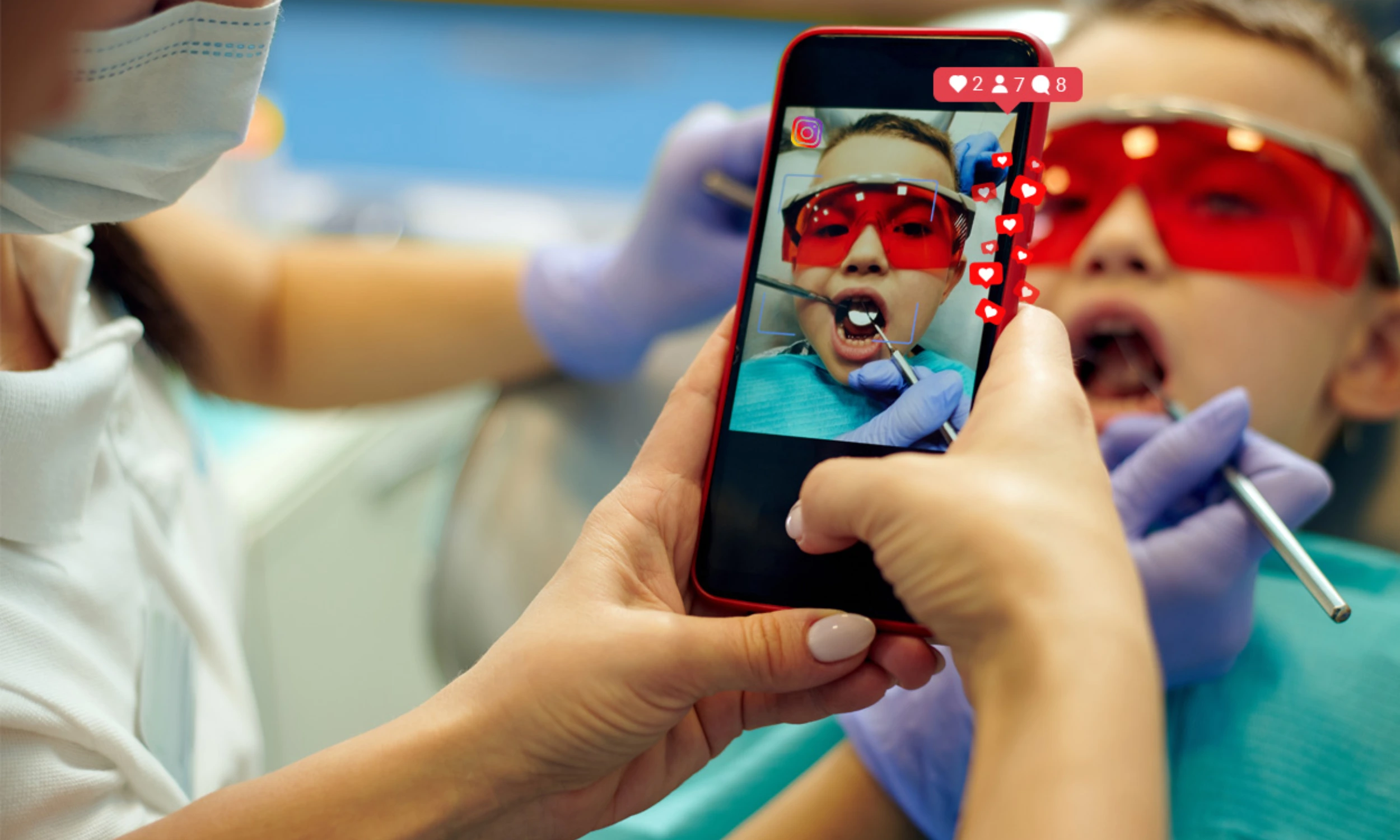
Instagram remains the strongest platform for UK dental practices chasing private, higher-value treatments like Invisalign, implants and cosmetic work, largely because it’s visual and its audience skews towards exactly the demographic researching those treatments. Facebook still matters for NHS-facing and family practices, particularly for reaching an older local audience and running community-focused content. TikTok is growing fastest for practices targeting younger patients, though it demands a different, less polished style of content than Instagram.
Trying to run all three well with limited time usually means running all three badly. Most practices get further picking one primary platform, mastering it, and treating the others as secondary rather than spreading effort evenly across all of them from day one.
A practical way to choose: look at where your current patients already spend time rather than where competitors happen to post. A family-focused NHS practice in a smaller town will usually get more from doubling down on Facebook, where local community groups and older demographics are genuinely active, than from chasing a TikTok trend that doesn’t reach the patients actually walking through the door.
2. Use Short-Form Video as Your Primary Format, Not an Extra
Reels, TikToks and Shorts now get significantly more organic reach than static image posts across every major platform, and that gap has widened rather than closed over the past two years. A dental practice treating video as an occasional extra, rather than the main format, is leaving the majority of available reach on the table.
This doesn’t mean abandoning photos entirely. It means treating a 15 to 30 second video, whether that’s a quick practice tour, a team introduction or a simple treatment explainer, as the default content type to plan for each week, with static posts filling in around it rather than the other way round.
3. Show the Practice, Not Just the Treatments
Treatment photos alone tend to underperform because they don’t build trust, and trust is the entire barrier a nervous prospective patient needs to clear before booking. Content showing the team, the reception area, a quick tour of the practice or a genuine moment from the working day consistently outperforms polished treatment graphics in engagement, because it answers the unspoken question every new patient has: what will it actually feel like to walk in here.
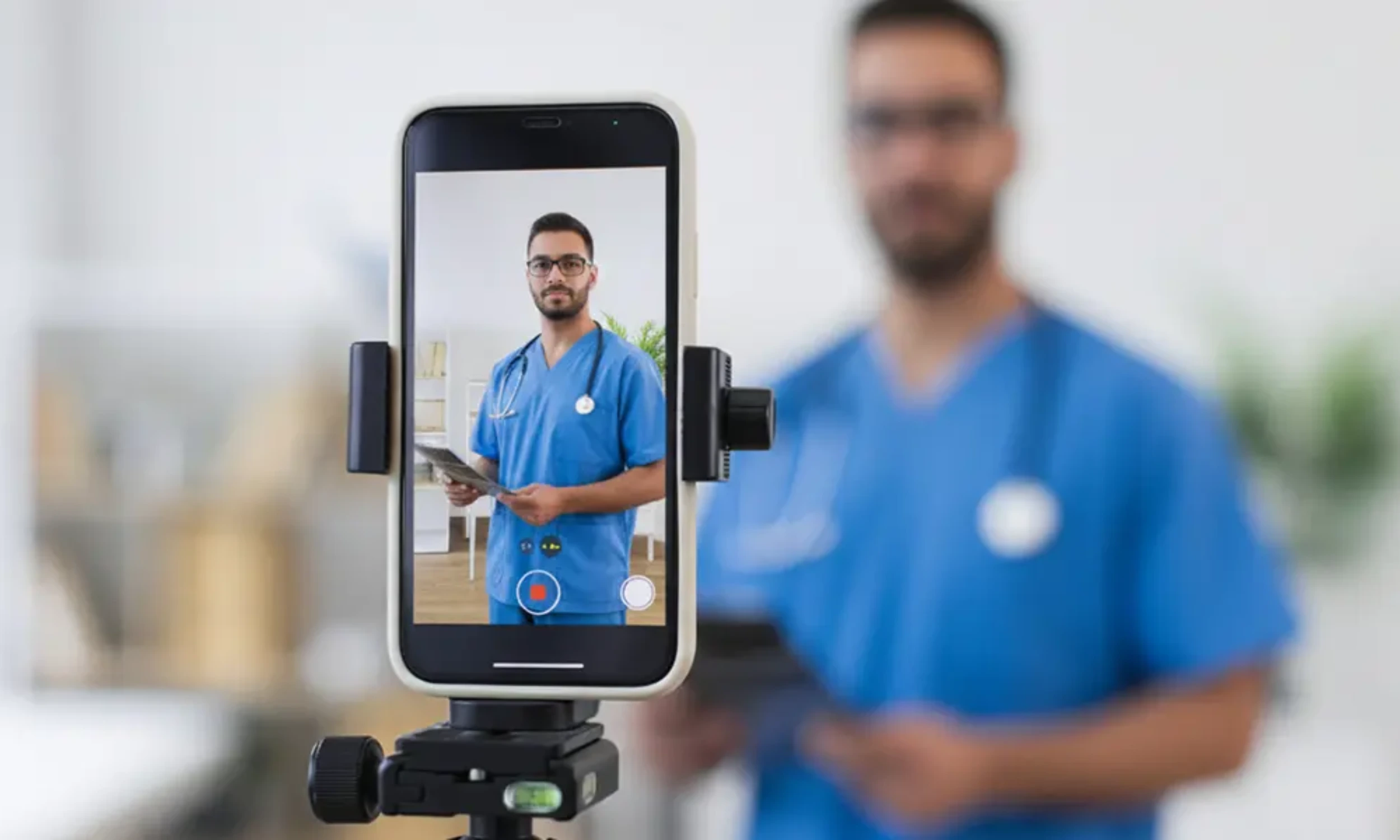
This doesn’t need production value. A phone-shot video of a dental nurse explaining what happens at a first appointment, filmed in the actual surgery, tends to reassure more effectively than a stock graphic ever could.
4. Use Before-and-After Content Carefully
Before-and-after images are some of the highest-engaging content dental practices can post, and also some of the highest-risk if handled loosely. Every before-and-after used in social content needs documented, informed patient consent, must avoid implying a guaranteed or typical outcome, and should be presented fairly rather than exaggerating the contrast for effect. GDC advertising guidance and the ASA’s CAP Code both apply directly here, and posts that stretch these rules for extra engagement risk far more than a complaint.
The practices getting genuine value from this content type pair the images with honest context: the treatment involved, roughly how long it took, and a clear note that individual results vary. That framing protects the practice and, in our experience, tends to build more trust than an unexplained image ever does.
It’s also worth having a straightforward internal process for this rather than leaving it to whoever happens to be posting that week. A simple consent form used at the time of treatment, filed alongside the patient record, saves a scramble later when someone wants to use a great result in a post but can’t quickly confirm permission was actually given.
5. Post Consistently Rather Than in Bursts
Algorithms across every major platform reward accounts that post regularly over accounts that post in bursts and then go quiet. Three posts a week sustained for six months will outperform fifteen posts in one enthusiastic week followed by silence for two months, almost every time.
For most dental practices, two to three posts a week is a realistic, sustainable cadence, particularly once Stories or Reels are added on top of standard feed posts. Batching content, filming or photographing several pieces in one sitting rather than scrambling for something new each day, is the single easiest way most practices make this manageable without it becoming another job on top of patient care.
6. Turn Patient Reviews Into Shareable Content
A five-star Google review sitting on a review platform reaches almost nobody beyond the person who wrote it. The same review, turned into a simple graphic or read aloud in a short video by a team member, reaches the practice’s entire following and does far more to build trust than the same words sitting unseen on a directory page.
This works particularly well combined with a genuine, brief team reaction, since it reads as authentic rather than manufactured. As with any patient content, written permission to share the review publicly with attribution should be confirmed first, even when the review itself was posted publicly elsewhere.
Turning this into a repeatable habit, rather than a one-off post, works best. A simple monthly slot to pick the strongest review from the past few weeks and turn it into a short piece of content keeps this working without it becoming another task someone has to remember to think up from scratch.
7. Use Video for Treatment Explainers
Short explainer videos, answering questions like “what actually happens during a root canal” or “how long does Invisalign really take,” consistently outperform static graphics covering the same topic. Video lets a dentist or hygienist explain a procedure in their own words, which does more to calm nerves than any amount of written copy, and it plays well across Instagram Reels, TikTok and YouTube Shorts with minimal reformatting.
These don’t need to be slick. A dentist speaking directly to camera for 60 seconds, filmed on a phone in a quiet moment between patients, regularly outperforms a heavily produced video that took a full day to shoot.
Keeping a running list of the questions patients actually ask at the front desk or during consultations gives an easy, endless source of video topics, since these are already proven to be things real people want answered. A practice that mines its own reception desk for content ideas rarely runs out of things to film, unlike one starting from a blank page each week trying to guess what might be interesting.
8. Respond to Comments and DMs Like Enquiries, Not Vanity Metrics
A comment or DM on a dental practice’s social media is very often a genuine enquiry in disguise, not idle engagement. Slow or generic responses lose bookings that a phone call would never have lost, simply because the patient assumed nobody was paying attention.
Treating social media messaging with the same urgency as a phone line, checking it daily and responding with real information rather than a canned “thanks for your message,” turns a channel many practices treat as an afterthought into a genuine booking source.
A simple rule that works well in practice: any DM or comment asking about price, availability or a specific treatment gets a substantive reply within a few hours, not a generic acknowledgement followed by silence. If the person managing social media isn’t clinically qualified to answer a treatment question in detail, a short “great question, one of our team will call you today to talk through it” still moves the enquiry forward, rather than leaving it to go cold while everyone assumes someone else is handling it.
9. Track What’s Actually Converting, Not Just Likes
Follower counts and likes feel good but rarely correlate with new patients. What matters is DM enquiries, link clicks through to the booking page, and, where possible, patients who mention finding the practice on Instagram or Facebook when they call. Our social media management service builds this tracking in from the start, so a practice can see which specific posts are actually driving bookings rather than guessing from engagement numbers alone.
Reviewing this monthly, not daily, gives a clearer picture. Social platforms are noisy week to week, and a single quiet week rarely means the strategy has stopped working.
Getting Started
Social media for dental practices UK-wide isn’t about posting more, it’s about posting the right things consistently and treating every comment and DM as a potential patient rather than background noise. A practice that picks one platform, commits to a realistic posting cadence, and handles patient content compliantly will consistently outperform one chasing every trend across every platform at once.
None of this requires a large team or a big budget. The practices seeing the strongest results in 2026 tend to be the ones treating social media as a small, consistent weekly habit rather than an occasional project, and pairing that consistency with genuinely useful content rather than purely promotional posts.
If your practice’s social media feels like effort without results, The Bigger Brand’s dental marketing team runs a free social media audit that shows exactly what’s working, what isn’t, and where the quickest wins are. Combined with our content creation service, it’s often the fastest way to turn a quiet feed into an active booking channel.
FAQs
Instagram tends to work best for practices focused on private and cosmetic treatments, thanks to its visual format and younger, research-driven audience. Facebook remains stronger for NHS-facing and family practices reaching an older local demographic. TikTok is growing fastest with under-35s but requires a more casual, less polished content style than the other two platforms.
Two to three feed posts a week is a realistic, sustainable minimum for most UK dental practices, ideally supplemented with Stories or short-form video in between. Consistency over months matters more than volume in any single week, since social platforms reward accounts that post regularly rather than in occasional bursts followed by long gaps.
Behind-the-scenes content showing the team and practice environment, short explainer videos answering common patient questions, and genuine before-and-after content with proper context typically outperform polished, purely promotional posts. Content that reduces a prospective patient’s anxiety about visiting tends to generate more saves, shares and DMs than content that simply advertises a treatment.