Overview
TikTok has become a genuine patient-acquisition channel for UK dental practices in 2026, particularly for cosmetic treatments like Invisalign and implants. Practices succeed with short, authentic content, behind-the-scenes clips, patient Q&As and compliant before-and-afters, rather than polished adverts. Consistency of two to three posts weekly outperforms sporadic posting.
A dental practice owner in Manchester dismissed TikTok for two years, convinced it was somewhere teenagers danced and nothing more. Then her daughter showed her a video from a practice in Leeds with 40,000 views, a straightforward explainer on Invisalign, and a comment section full of people asking how to book. That single video had generated more genuine enquiries than a year of the practice’s Facebook posts.
TikTok for dentists UK-wide has stopped being a novelty and become a genuine acquisition channel, particularly for cosmetic and private treatments that skew towards a younger, research-driven audience. It rewards authenticity over production value, which makes it one of the more accessible platforms for a busy practice to get started on without a marketing team behind it. It also sits alongside the local visibility work covered in our guide to local SEO for dentists: one gets a practice found on Google, the other builds the recognition that makes a patient choose you once they have been. Here are ten content ideas that are actually working for UK dental practices in 2026, not recycled Instagram content reposted with a TikTok logo slapped on.
1. A Day in the Life at the Practice
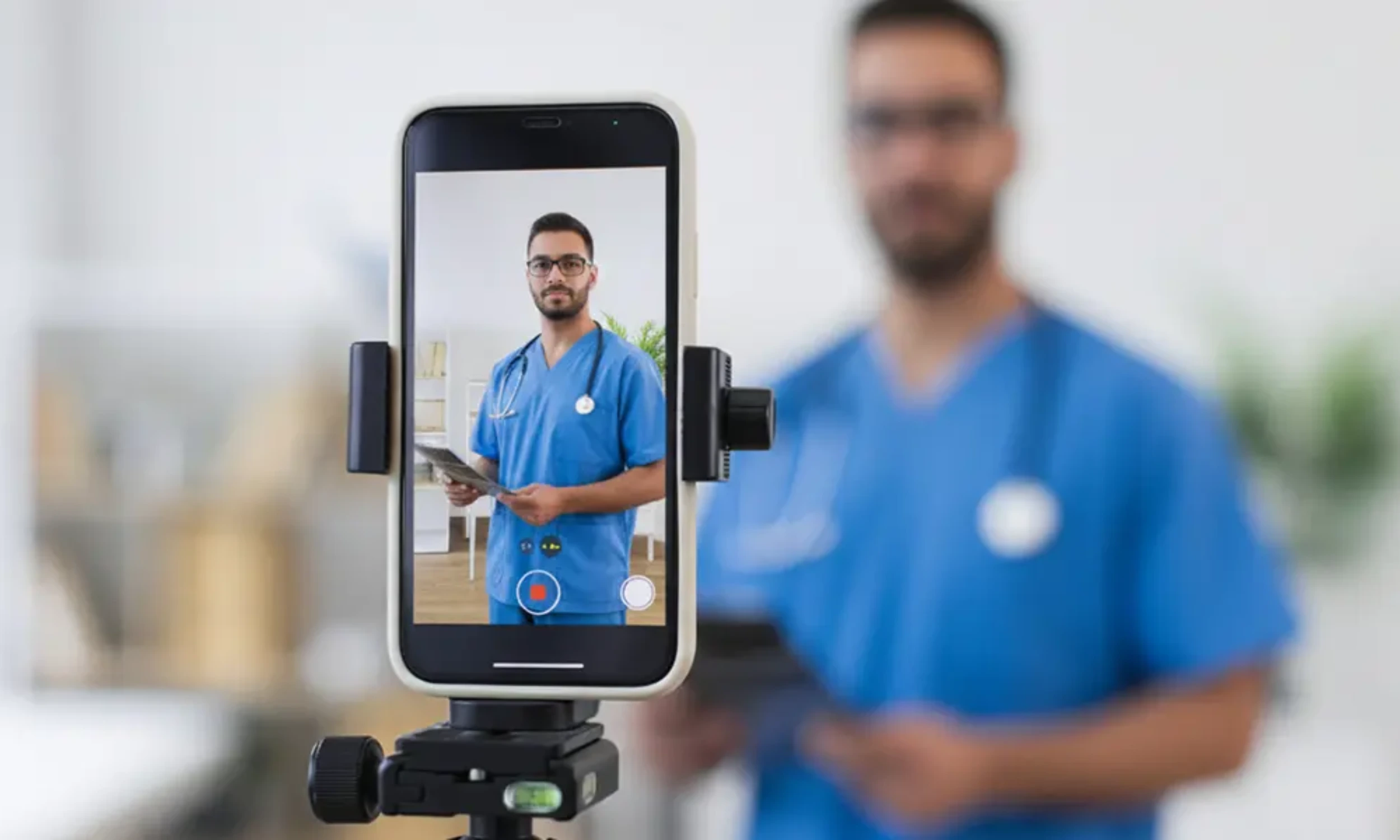
A loosely structured, genuinely candid look at a typical day, from the morning team huddle to a quick glimpse of the treatment room between patients, consistently performs well because it humanises a practice that most prospective patients have never seen inside. This works best filmed on a phone, in the moment, rather than staged.
Practices new to this format often overthink it, waiting for a perfectly quiet, camera-ready day that never quite arrives. The more effective approach is simply filming small, genuine moments as they happen across a normal week, then stitching a handful together into a thirty to sixty second clip. The slight imperfection of real footage tends to read as more trustworthy than anything scripted.
2. Sixty-Second Answers to Common Patient Questions
Whatever gets asked most often at reception or during consultations makes for an easy, endless supply of content. A dentist or hygienist answering “does teeth whitening actually damage enamel” or “how painful is a root canal really” in under a minute, directly to camera, tends to outperform far more polished content because it answers a genuine anxiety.
3. Before-and-After Reveals, Done Compliantly
Before-and-afters are some of the highest-performing content on the platform, and also the highest-risk if handled loosely. Every image or video used needs documented, informed patient consent, must avoid implying a guaranteed or typical outcome, and should include honest context about the treatment and timeframe involved. GDC advertising guidance and the ASA’s CAP Code apply directly here, and the practices that use this content well treat compliance as part of the format, not an afterthought.
4. Myth-Busting Common Dental Misconceptions
Correcting a widespread myth, such as “you don’t need to floss if you brush properly” or “sugar-free drinks can’t damage your teeth,” gives a dentist a natural reason to demonstrate expertise while providing genuinely useful information. This format tends to generate strong comment engagement, since people enjoy debating or confirming what they already believed.
A good source for these ideas is whatever a dentist finds themselves correcting most often in real consultations. If a particular misconception comes up weekly in the surgery, it’s almost certainly common enough among the wider public to make for a video worth making, since the audience asking is rarely limited to the handful of patients who happened to mention it in person.
5. What to Expect at a First Appointment
New patient anxiety is one of the biggest barriers dental practices face, and a short walkthrough of exactly what happens at a first visit, filmed from the patient’s perspective, directly addresses it. Showing the reception area, a friendly team introduction and a plain-language explanation of what a check-up actually involves reassures nervous prospective patients before they’ve even called.
6. Team Introductions With Personality
A quick, personality-led introduction to individual team members, what they enjoy about the job, a fun fact, or how long they’ve been at the practice, builds familiarity that a static “meet the team” webpage never achieves. Patients researching a new practice are, in effect, trying to answer “can I trust these people,” and seeing real personalities goes a long way towards that.
Rotating through the whole team over several weeks, rather than a single combined video, gives a practice a steady stream of content while also making sure everyone from reception through to the dentists themselves gets a moment on camera. This works particularly well as a recurring weekly format, since audiences on TikTok tend to follow accounts that post recognisable, repeating series rather than one-off content.
7. Adapting Trending Formats to Dental Content
TikTok trends, whether a specific sound, transition style or format, move fast, and adapting a currently trending format to dental content tends to get significantly more reach than original content alone, simply because the platform’s algorithm favours participation in what’s already popular. This needs a light touch and genuine relevance rather than forcing a trend where it doesn’t fit, and every adaptation still needs to meet the same compliance standards as any other patient-facing content.
8. Quick Oral Hygiene Tips
Practical, specific tips, such as the right way to brush around braces or how long to wait after eating before brushing, position a practice as a genuinely useful resource rather than purely a place people go when something’s wrong. This content type also tends to have strong shareability, since it’s the kind of practical advice people send to friends and family.
9. Patient Testimonials, With Consent
A genuine, on-camera patient sharing their experience, particularly for a bigger treatment like Invisalign or implants, carries more weight than almost any other content type, because it comes from someone with no financial stake in the practice’s success. As with any patient content, written permission to film and publish needs to be secured first, and the testimonial should read as genuine rather than scripted.
10. Behind-the-Scenes of a Specific Treatment
A short, non-graphic look at what a specific treatment actually involves, filmed with appropriate care and always with patient consent where a real patient appears, demystifies procedures that many people find intimidating purely because they don’t know what to expect. This works particularly well for treatments with a longer consideration period, like Invisalign or implants, where reducing uncertainty directly supports the decision to book a consultation.
Should You Run TikTok Ads Too?
Organic content builds the foundation, but TikTok ads can accelerate reach for a practice with a specific campaign goal, such as filling consultation slots for a particular treatment. Ads work best once a practice already understands what organic content resonates with its audience, since that insight directly informs which messaging is worth paying to amplify. Our TikTok ads management service handles exactly this progression, from testing organic content through to scaling what works with paid support.
Getting Started
TikTok for dentists UK-wide rewards practices willing to show up as genuine people rather than a polished brand, and the ten ideas above work precisely because they lean into that rather than fighting it. Starting with just two or three of these, sustained consistently, will do more for a practice than trying all ten at once and abandoning the platform after a quiet first month.
Consistency matters more here than on almost any other platform, since TikTok’s algorithm rewards accounts that post regularly with steadily growing reach over time. A practice that commits to two videos a week for three months, even with imperfect early attempts, will typically outperform one that posts sporadically whenever inspiration strikes, however polished those occasional videos might be.
If you’d like help figuring out which of these ideas fits your practice best, or want support turning early traction into paid TikTok ad campaigns, The Bigger Brand’s dental marketing team can build a plan around it, backed by our wider social media management service.
FAQs
Yes, particularly for higher-value treatments like Invisalign or implants where a targeted campaign can reach a specific local or regional audience actively researching that treatment. Results vary by practice and market, but UK dental clients running well-targeted TikTok ad campaigns typically see cost-per-consultation figures competitive with, or better than, other paid social platforms.
For practices offering cosmetic or private treatments like Invisalign, implants or whitening, TikTok is increasingly worth the investment, given its younger, research-driven user base actively searching for exactly this kind of content. NHS-focused or family practices may see more value starting elsewhere, though a consistent TikTok presence rarely hurts visibility even outside its core demographic.
Short, genuine content answering real patient questions, behind-the-scenes practice life, and compliant before-and-after content with proper consent tend to perform best. Polished, heavily produced adverts consistently underperform against casual, authentic clips filmed on a phone, since TikTok’s audience actively favours content that feels real over content that feels like traditional advertising.